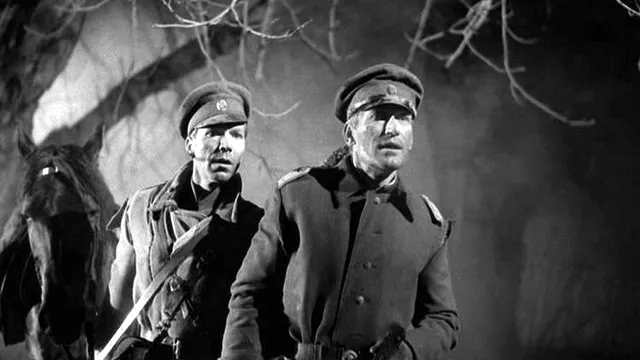
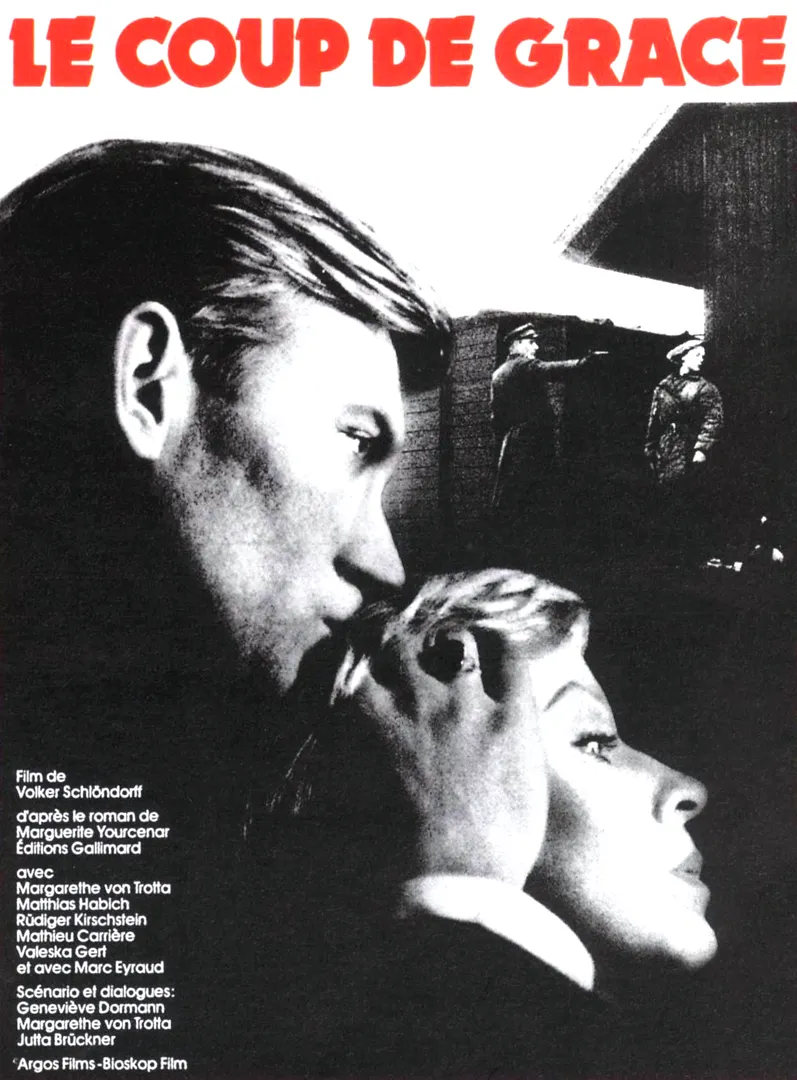
Volker Schlöndorff (born March 31, 1939, in Wiesbaden) is one of the most important German directors of postwar cinema and is considered a defining figure of New German Cinema. After studying in Paris, he began his career as an assistant director to Louis Malle, Alain Resnais, and Jean-Pierre Melville before attracting attention with his debut film THE YOUNG TÖRLESS in 1966. The film, based on the novel by Robert Musil, won the FIPRESCI Prize at the Cannes Film Festival that same year and brought Schlöndorff international recognition.
Another important contribution to his career is his participation in the documentary MICHAEL NYMAN - COMPOSER IN PROGRESS (2010, directed by Silvia Beck). Schlöndorff appears here as an interlocutor and commentator, providing insights into the work of British composer Michael Nyman, who is known for his minimalist compositions.
Schlöndorff celebrated his greatest success in 1979 with the film adaptation of Günter Grass's novel The Tin Drum. The film won the Palme d'Or at the Cannes Film Festival and the Oscar for Best Foreign Language Film and is one of the most internationally successful German productions. Other notable works by the director include The Lost Honor of Katharina Blum (1975, together with Margarethe von Trotta) and Homo Faber (1991).
Volker Schlöndorff has received numerous awards for his life's work, including the Bavarian Film Prize and the Order of Merit of the Federal Republic of Germany. This makes him one of the most important German directors who have helped shape international film history.